My Approach
Together, we will explore what is really going on and what you hope to achieve from therapy. Collaboratively, we will make sense of your current difficulties by exploring how your experiences, relationships or events from the past might be influencing and affecting your present. How unhelpful patterns may be repeating and how you can find a way forward within your authentic self, enhancing your capacity to experience life in a more fulfilling and meaningful way.
Counselling Sessions
I use a variety of therapeutic approaches tailored specifically to your needs – Person Centred Therapy, Existential Therapy, Cognitive Behavioural Therapy, Polyvagal Theory, Psychoeducation, Mindfulness and Breathing techniques.
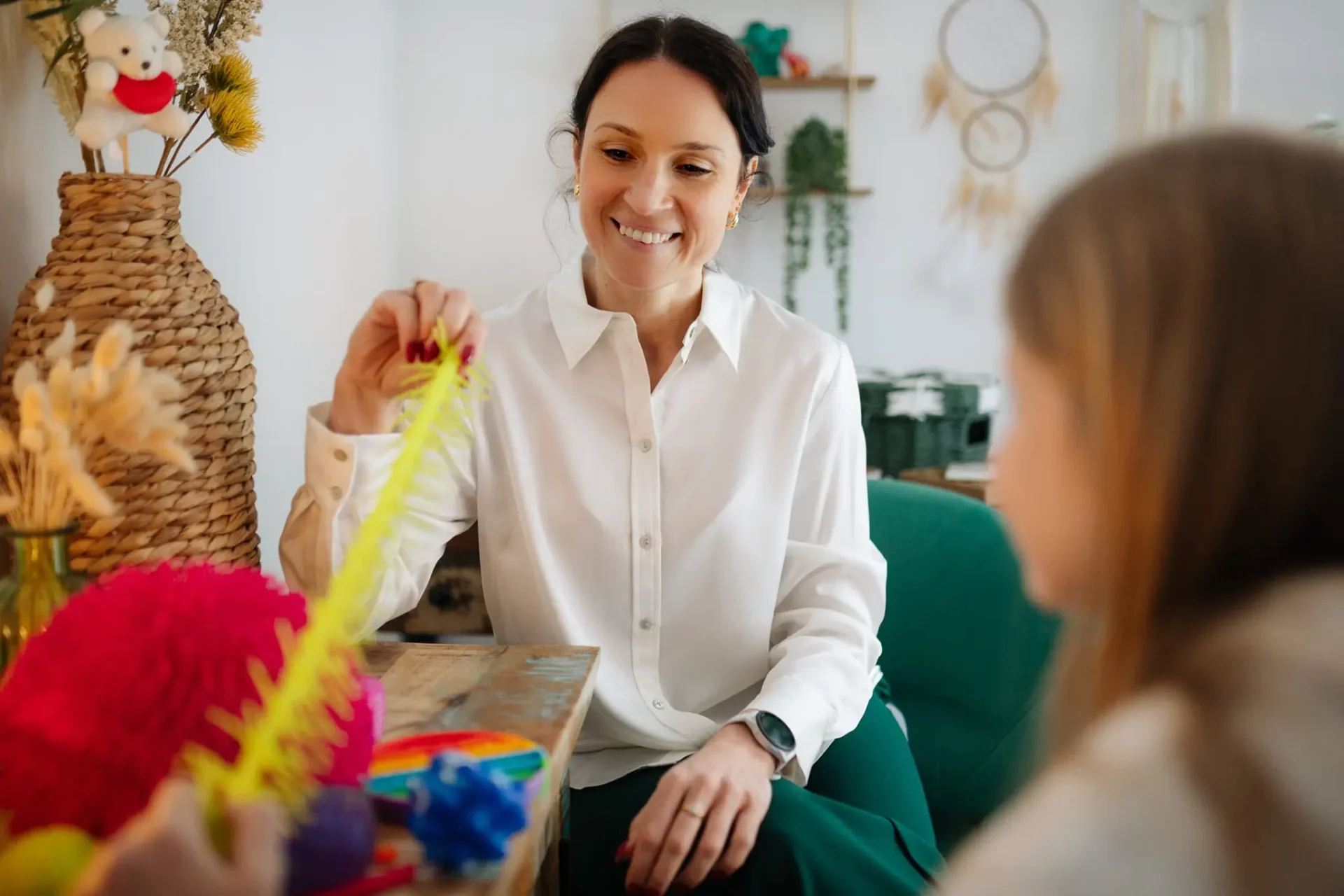
Step 1:
Establish A Trusting Relationship
I begin by creating a safe environment where you feel accepted and understood without judgement. This involves building a relationship based on trust and empathy, where you feel comfortable exploring your thoughts and emotions openly.
Step 2:
Explore Feelings
I act as a supportive guide, encouraging you to explore and express your thoughts, feelings and concerns openly. The emphasis is on self-exploration, allowing you to gain deeper insights into your emotions.
Step 3:
Encourage Personal Growth
The aim is to empower you to take an active role in your own personal growth. I provide a supportive environment where you can make your own choices and work towards fulfilling your potential.
Step 4:
Empowerment and Self-Discovery
Using a combination of modalities, psychoeducation, and shared resources, combined with mindfulness and breathing techniques, equips you with the toolkit to move forward into a more fulfilling life.
The aim of person-centred therapy is to facilitate personal growth by providing you with a non-judgmental and empathetic space where you can express your thoughts and emotions openly. The goal is to empower you to become more self-aware, make meaningful choices and move towards a path of positive change.
The focus is on your innate capacity for greater awareness and self-direction, with me as your therapist acting as a facilitator to help you explore your feelings, values and experiences.
Cognitive Behavioural Therapy (CBT) is a therapeutic approach that operates on the premise that our thoughts influence our feelings and behaviours, shaping our overall well-being. This evidence-based practice empowers you to identify and challenge negative thought patterns, fostering positive behavioural changes. CBT equips you with practical tools to navigate and overcome various challenges. By instilling effective coping mechanisms, CBT not only addresses current concerns but also empowers you with lifelong skills for managing future stressors.
The polyvagal theory explains how our body's nervous system reads cues of danger and safety in our environment. The vagus nerve, part of the autonomic nervous system, helps manage our responses to stress by either mobilising us or calming us down. As humans, we are constantly scanning the environment around us for safety and danger. And, according to polyvagal theory, the way our nervous system perceives threats impacts how our brain and body will respond to the situation. Practising activities like meditation, exercise, and breathing exercises can help calm the vagus nerve.
The existential approach brings elements of philosophy and psychology into therapy to help you understand your place in your world. Existential therapy is about helping you make sense of your place in the world: to find alignment between societal, cultural and individual expectations. It’s a very client-focused, empowering way of working.
Psychoeducation involves learning about and understanding mental health and well-being. Like physical education, where you learn about how your body works, how to look after it and the impacts of different strains or stressors - but instead you apply this to the mind.
Mindfulness and breathing techniques are powerful, holistic tools designed to unite the mind, body, and emotions. By focusing attention on the breath, these practices activate the body's relaxation pathways (parasympathetic nervous system) to reduce stress, manage anxiety, and improve overall well-being.
Get in touch
Step 1: Leave a telephone message, text or message via email. I will arrange a convenient time to meet in person, online or via telephone. We then have a FREE 10-minute informal conversation.
Step 2: If you feel comfortable proceeding further, we can book an initial 30-minute consultation for £20.00.
Step 3: If we both feel we are a ‘good fit’ to continue, we can book your first full counselling session, which lasts 60 minutes, and discuss the contract and your goals for therapy. We then book each new session at the end of each appointment. After six sessions, we review your progress.
©Light counselling and psychotherapy
powered by WebHealer